Panko Brea Why Japanese Breadcrumbs Changed the Way Modern Kitchens Cook
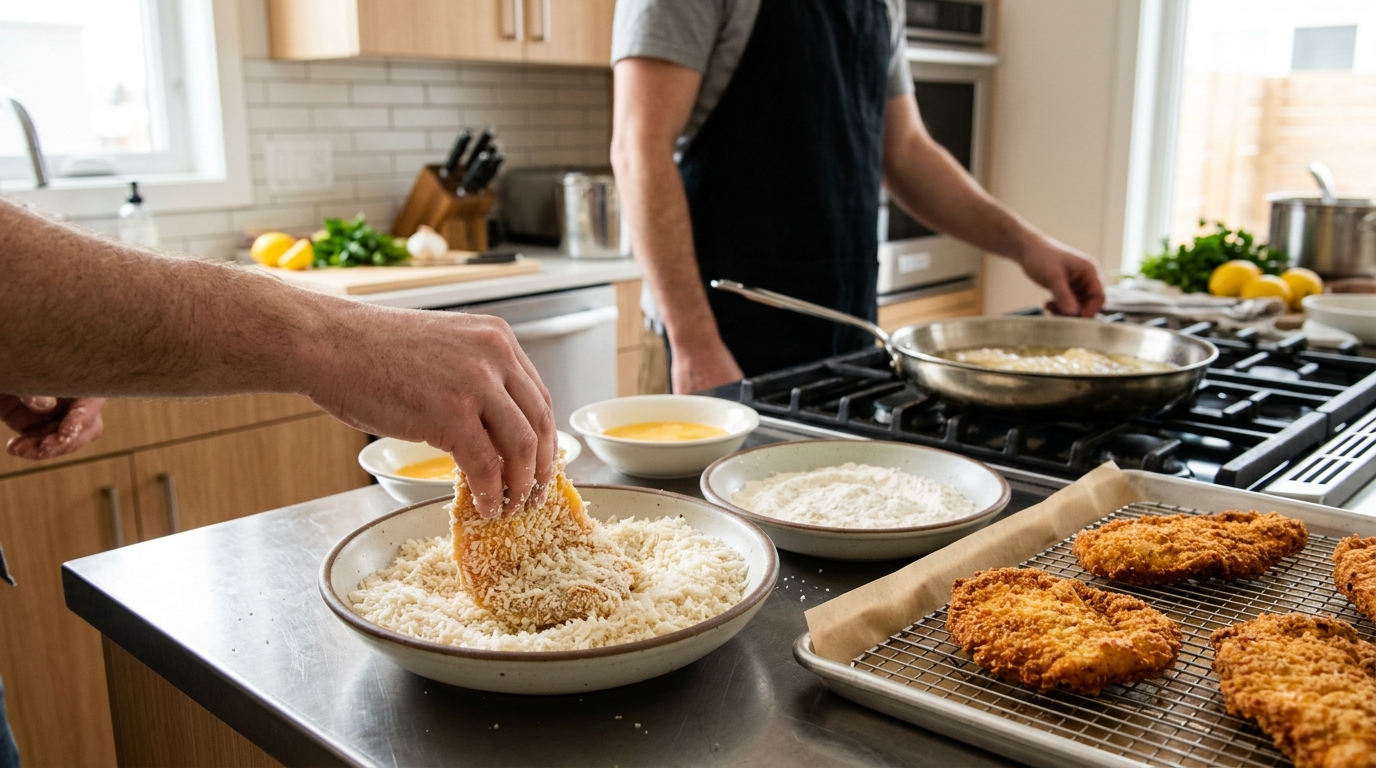
The first time a chef handed me a plate of perfectly crisp fried shrimp in a crowded open kitchen, the sound arrived before the flavor did. The coating cracked lightly under the fork, airy instead of dense, golden without feeling greasy. Around the pass, cooks moved with practiced rhythm, but one detail stood out: a metal tray filled with pale, flaky crumbs that looked nothing like the standard breadcrumbs found in supermarket cans. “That’s panko,” the chef said casually, before turning back to the stove.
Today, searches for terms like reflect a growing curiosity about the ingredient that quietly transformed everything from restaurant appetizers to home cooking. Once associated mainly with Japanese cuisine, panko has become a global kitchen essential, prized for its texture, versatility, and ability to create crisp food without heaviness. What began as a culinary specialty is now a staple used by professional chefs, food entrepreneurs, and home cooks looking to elevate ordinary dishes into something memorable.
The rise of panko is not simply a food trend. It reflects a larger shift in how people think about texture, presentation, and modern comfort food.
What Makes Panko Brea Different?
At first glance, panko may seem like just another breadcrumb product. In reality, its structure changes the entire eating experience. Traditional breadcrumbs are usually ground from baked bread, resulting in fine, compact particles. Panko, by contrast, is made from crustless bread processed into larger, lighter flakes.
That difference matters more than many people realize.
Because the flakes are irregular and airy, panko creates tiny pockets when cooked. Heat circulates more efficiently, allowing food to crisp evenly while absorbing less oil. The result is a lighter crunch that feels cleaner on the palate. Fried foods coated with panko often taste less greasy, even when prepared in the same fryer as conventionally breaded dishes.
Texture has become one of the defining elements of modern dining culture. Consumers increasingly expect contrast in every bite: creamy paired with crunchy, soft balanced with crisp. Panko fits perfectly into that expectation. It delivers sensory appeal without overwhelming the main ingredient.
For restaurants, that means fried chicken with a more delicate crust. For home cooks, it means baked casseroles with restaurant-quality topping. For food brands, it means products that photograph better and retain texture longer during delivery.
The Japanese Origins Behind the Craze
Panko originated in Japan and became deeply connected to dishes like tonkatsu, ebi fry, and croquettes. Culinary historians often point to post-war innovation in bread making technology as part of panko’s development. Unlike conventional bread production methods, panko bread was historically baked using electrical current rather than direct heat, producing a loaf without a crust.
That soft white interior became ideal for creating the signature flakes.
Over time, Japanese chefs refined how was used,understanding that crispness should complement food rather than dominate it. This philosophy helped distinguish Japanese fried foods from heavier Western styles.
As Japanese cuisine gained international popularity in the late twentieth century, panko traveled with it. Sushi bars, ramen restaurants, and fusion kitchens introduced global diners to its distinctive crunch. Soon, chefs outside Japanese cuisine began adapting it creatively.
Today, panko appears everywhere from upscale gastropubs to frozen food aisles.
Why Restaurants Love Panko Brea
Modern restaurants operate in a world where presentation, consistency, and customer perception matter enormously. Panko supports all three.
Visually, it browns beautifully. The flakes create a textured surface that photographs well under restaurant lighting and on social media. In the era of Instagram-driven dining, appearance carries real business value.
Operationally, panko is efficient. Its lighter structure often requires less product per serving compared to dense breadcrumbs. It also holds crispness longer, which matters for takeout and food delivery platforms where dishes may travel for twenty or thirty minutes before being eaten.
Flavor-wise, panko acts like a supporting actor rather than the lead. It adds crunch without masking seasonings or proteins underneath. That flexibility allows chefs to use it across cuisines, from Korean-inspired chicken sandwiches to Italian baked eggplant.
The ingredient’s adaptability has helped it move far beyond its Japanese roots.
Panko Brea Beyond Fried Foods
One reason panko continues to grow in popularity is its versatility. While many people associate it primarily with frying, chefs increasingly use it in ways that have nothing to do with deep fryers.
Baked dishes benefit enormously from panko toppings because the flakes toast quickly and evenly. Macaroni and cheese gains a golden crust without becoming too heavy. Gratins develop texture without requiring excessive butter. Even roasted vegetables gain dimension from a thin layer of seasoned panko.
Seafood dishes especially benefit from panko’s lightness. Delicate fish can remain moist while still gaining crisp texture. Crab cakes become less dense. Shrimp maintain their natural sweetness instead of tasting buried under breading.
In meatballs and burgers, panko also functions differently from standard breadcrumbs. Because it absorbs moisture more gently, it can help maintain tenderness instead of creating compact texture.
This broad functionality explains why food manufacturers increasingly include panko in prepared meals and frozen products.
Comparing Breadcrumb Types
Panko Brea
The differences between breadcrumb styles become clearer when viewed side by side.
| Breadcrumb Type | Texture | Oil Absorption | Best Uses | Overall Feel |
|---|---|---|---|---|
| Traditional Breadcrumbs | Fine and compact | Higher | Meatballs, stuffing, casseroles | Dense and hearty |
| Panko | Light and flaky | Lower | Fried foods, toppings, seafood | Crisp and airy |
| Fresh Breadcrumbs | Moist and soft | Medium | Pasta toppings, baked dishes | Tender and rustic |
| Cracker Crumbs | Crunchy but dense | Medium to high | Coatings, pie crusts | Rich and salty |
This comparison highlights why panko became so attractive to modern kitchens. It delivers crunch efficiently without overwhelming the dish.
The Consumer Shift Toward Better Texture
Food trends often reflect broader cultural habits, and panko’s popularity aligns closely with changing consumer expectations.
People today are more food-aware than previous generations. Cooking videos, restaurant documentaries, and social media content have educated audiences about texture, technique, and ingredient quality. Consumers now recognize the difference between soggy breading and a carefully engineered crispy coating.
That awareness influences purchasing behavior.
Frozen food companies advertise “extra crispy” products because texture now directly impacts perceived quality. Fast-casual chains invest heavily in coatings that survive delivery. Recipe creators online focus intensely on crunch because audiences respond emotionally to sensory detail.
Panko sits at the center of that evolution.
Interestingly, the ingredient also appeals to health-conscious consumers, even though it is not inherently “healthy.” Because panko creates crispness with less oil retention, foods often feel lighter. Perception matters in dining, and lighter texture can influence how indulgent a dish seems.
Panko Brea in Home Kitchens
Home cooks embraced panko for many of the same reasons chefs did: reliability and simplicity.
Traditional frying can feel intimidating, especially for inexperienced cooks worried about greasy or uneven results. Panko offers a more forgiving path. Even beginner cooks can achieve crisp texture with relatively little technique.
Its accessibility also contributed to its success. Once limited to specialty Asian markets, panko is now widely available in mainstream grocery stores around the world. Food media helped accelerate this shift by consistently recommending it in recipes.
Today, panko appears in dishes that would once have relied on standard breadcrumbs, including meatloaf, casseroles, and baked chicken.
Air fryer culture pushed the trend even further. Since air fryers rely heavily on dry heat circulation, panko performs exceptionally well inside them. The flakes crisp rapidly, helping users recreate restaurant-style textures without deep frying.
That compatibility turned panko into a favorite ingredient among younger consumers seeking convenience without sacrificing quality.
The Business of Crunch
Panko Brea
Behind the culinary success story lies an important commercial reality: texture sells.
Food companies invest heavily in research focused on sensory satisfaction. The audible crunch of a coating can influence consumer perception of freshness and quality. Studies in food psychology consistently show that sound and texture shape enjoyment as much as flavor.
Panko provides a measurable advantage in that area.
As global demand for premium convenience foods grows, manufacturers continue adapting panko into snacks, frozen meals, and packaged products. Even fast-food brands increasingly use panko-style coatings to create distinction in crowded markets.
For entrepreneurs in the food industry, ingredients like panko represent more than cooking tools. They are part of a branding strategy. Customers remember texture. They associate crispness with craftsmanship and freshness.
That emotional response drives repeat purchases.
Common Mistakes When Using Panko Brea
Despite its versatility, panko still requires thoughtful handling.
One common mistake is under-seasoning. Because panko itself has a mild flavor, dishes can taste bland if the crumbs or underlying ingredients are not properly seasoned. Professional kitchens often mix panko with spices, grated cheese, herbs, or aromatics before use.
Another issue is pressing too firmly during coating. Heavy compression destroys the airy structure that makes panko effective. A lighter touch preserves texture.
Moisture management also matters. Excess liquid can quickly turn panko soggy before cooking even begins. Many chefs use flour and egg layers strategically to create better adhesion without oversaturation.
Cooking temperature plays a final role. Panko browns faster than dense breadcrumbs, so heat control is essential to avoid burning before the interior cooks through.
Understanding these details separates average results from exceptional ones.
Why Panko Brea Popularity Will Continue
Food trends come and go quickly, but panko appears positioned for long-term relevance because it solves a practical problem elegantly. Consumers want crisp food that feels lighter. Restaurants want coatings that remain appealing during delivery. Home cooks want reliable results without advanced training.
Panko satisfies all three needs simultaneously.
Its adaptability also gives it staying power. Unlike highly specialized ingredients tied to a single cuisine, panko integrates easily into countless cooking styles. It can support Japanese, American, Italian, Korean, and fusion dishes without feeling out of place.
That flexibility ensures continued demand across restaurants, packaged foods, and home kitchens.
The broader story of panko is ultimately about how small innovations reshape everyday experiences. A humble breadcrumb evolved into a global culinary standard because it improved something people instantly notice: the pleasure of a perfect crunch.
And in modern food culture, where texture often defines the difference between forgettable and memorable, that crunchy bite matters more than ever.











Post Comment