Rowdy Oxford Lawsuit: What It Reveals About Modern Brand Risk, Reputation, and Accountability
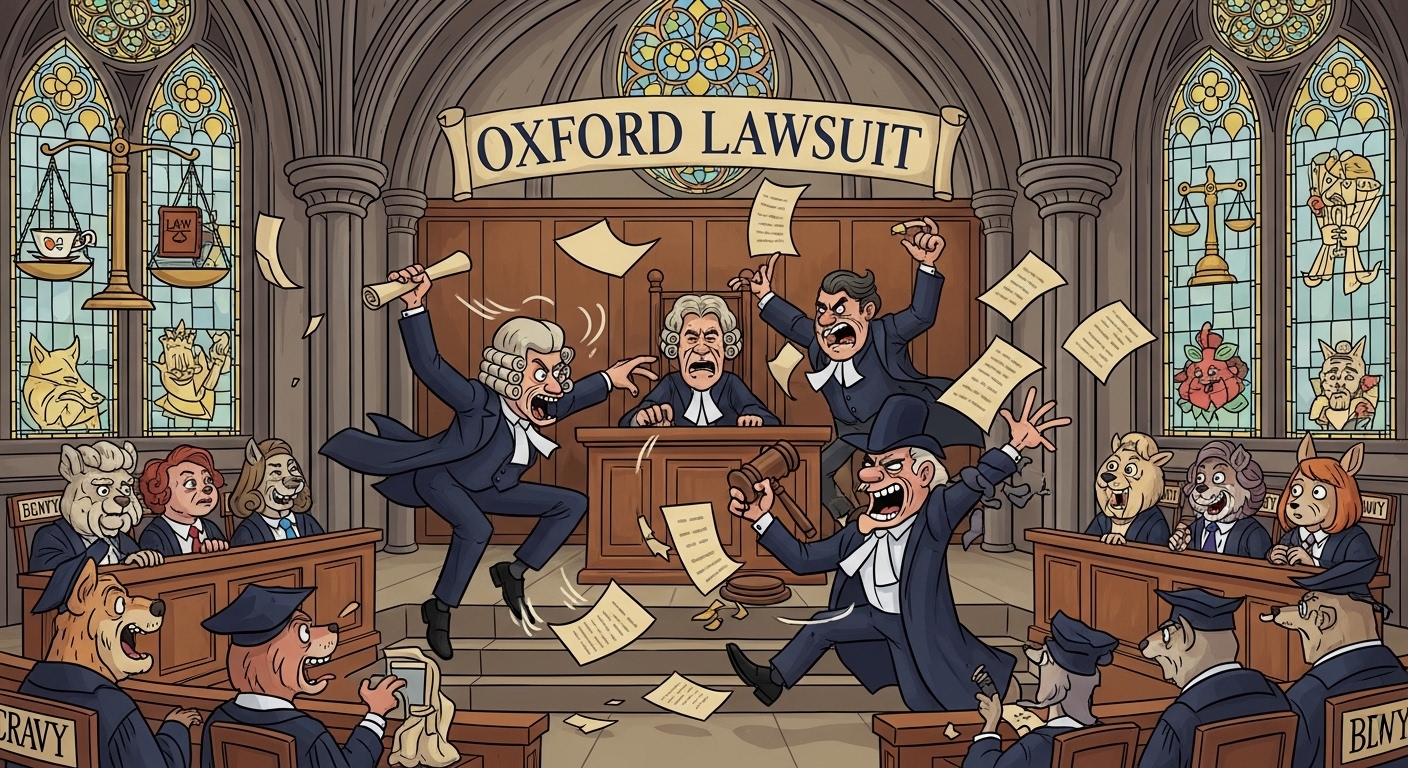
The story of the rowdy oxford lawsuit doesn’t begin in a courtroom it begins in a moment that felt small at the time. A crowded venue, a brand riding high on momentum, and a decision that seemed harmless in the rush of growth. These are the kinds of moments that founders and operators rarely think twice about. Until, suddenly, they have to.
What followed turned into a legal battle that offers far more than headlines. The rowdy oxford lawsuit has become a case study in how quickly brand identity, consumer trust, and operational oversight can collide and how unprepared many organizations still are for that collision.
The Incident That Sparked the Rowdy Oxford Lawsuit
At the heart of the rowdy oxford lawsuit lies a dispute that blends customer experience brand positioning, and legal accountability. While details vary depending on perspective, the core issue centers on an alleged incident involving misconduct, safety concerns, and the role of the brand in either enabling or failing to prevent the situation.
What makes this case particularly compelling is not just what happened—but how it reflects a broader shift in expectations. Consumers today don’t just interact with brand they hold them responsible for environments, behaviors, and outcomes.
In earlier eras, businesses might have distanced themselves from individual incidents. Today, that distance is shrinking fast.
When Brand Personality Becomes Liability
“Rowdy” as a brand identity can be powerful. It signals energy, rebellion, and a break from the ordinary. But the rowdy oxford lawsuit exposes the hidden risk: when branding blurs into behavior.
There’s a fine line between cultivating a bold atmosphere and inadvertently encouraging conduct that crosses ethical or legal boundaries. Businesses that lean into high-energy, provocative identities often underestimate how those signals are interpreted in real-world environments.
The lawsuit raises a critical question for founders and marketers alike:
At what point does brand tone influence user behavior—and who is responsible when it does?
This is no longer a philosophical debate. It’s a legal one.
The Legal Dimensions: Duty of Care in Modern Business
From a legal standpoint, the rowdy oxford lawsuit revolves around a central concept: duty of care. This principle determines whether a business took reasonable steps to prevent harm.
In traditional industries, duty of care is well defined think workplace safety or product liability. But in experience-driven businesses events, hospitality, lifestyle brands the boundaries are less clear.
That ambiguity is exactly where risk lives.
Courts increasingly examine factors such as:
- Whether the business anticipated potential risks
- Whether safeguards were in place
- Whether staff were trained to handle escalation
- Whether prior incidents created a pattern of negligence
The rowdy oxford lawsuit suggests that “we didn’t expect this” is no longer a strong defense. If your brand environment makes something foreseeable, it may also make you accountable.
The Reputation Fallout: Faster Than the Legal Process
Legal cases unfold slowly. Public perception does not.
One of the most striking aspects of the rowdy oxford lawsuit is how quickly the narrative spread beyond legal filings. Social media amplified claims, opinions hardened early, and the brand found itself reacting not just to a lawsuit—but to a full-scale reputational crisis.
For modern businesses, this is often the bigger threat.
Reputation damage can:
- Erode customer trust overnight
- Impact partnerships and investor confidence
- Shift employee morale and retention
- Redefine brand positioning in ways that are hard to reverse
The lesson here is blunt: in the digital age, the court of public opinion often delivers its verdict before the legal system does.
A Breakdown of Key Risk Factors
To better understand the implications of the rowdy oxford lawsuit, it helps to look at the underlying risk factors that likely contributed to the situation:
| Risk Area | Description | Business Impact |
|---|---|---|
| Brand Messaging | Aggressive or “rowdy” positioning influencing behavior | Misaligned expectations, liability risk |
| Operational Controls | Lack of clear policies or enforcement mechanisms | Increased likelihood of incidents |
| Staff Preparedness | Insufficient training in handling conflict or unsafe behavior | Escalation of avoidable situations |
| Incident Response | Delayed or inadequate response to complaints | Legal exposure, reputational damage |
| Transparency | Poor communication after the incident | Loss of trust and credibility |
This table reflects a pattern seen across many modern disputes—not just this one. The specifics may differ, but the structural weaknesses are often the same.
Why This Case Matters for Entrepreneurs and Founders
It’s tempting to view the rowdy oxford lawsuit as an isolated incident. That would be a mistake.
For entrepreneurs, especially those building lifestyle or community-driven brands, this case highlights a critical shift: you are no longer just responsible for what you sell you are responsible for the environment you create.
This has several implications:
First, growth amplifies risk. What works at a small scale may break under larger audiences. Behavior that feels manageable in a tight-knit community can spiral in broader contexts.
Second, brand identity is not neutral. The tone you set influences how people behave within your ecosystem. That influence carries responsibility.
Third, prevention is more valuable than reaction. Legal defenses are expensive and uncertain. Proactive systems clear policies, trained teams, defined escalation paths—are far more effective.
The Role of Culture in Risk Management
One of the less obvious lessons from the rowdy oxford lawsuit is the role of internal culture.
Companies often focus on external messaging while neglecting internal alignment. But culture determines how teams interpret and enforce brand values in real situations.
If employees are unclear about boundaries, they will improvise. And improvisation under pressure rarely leads to optimal outcomes.
Strong cultures do three things well:
- They define acceptable behavior clearly
- They empower staff to act decisively
- They prioritize safety alongside experience
Without these elements, even well-intentioned brands can find themselves exposed.
Crisis Response: What Could Have Been Done Differently?
While every case has unique details, the rowdy oxford lawsuit invites a broader reflection on crisis management.
Effective response typically includes:
Immediate acknowledgment. Silence creates a vacuum that speculation fills quickly.
Clear communication. Stakeholders customers, employees, partners—need to understand what is known and what actions are being taken.
Visible accountability. This does not mean admitting fault prematurely, but it does mean demonstrating responsibility.
Corrective action. Policies, training, or structural changes should follow quickly, not after legal pressure mounts.
Many organizations struggle here because they prioritize legal positioning over public trust. The most resilient brands find a way to balance both.
The Intersection of Law, Ethics, and Strategy
Perhaps the most important takeaway from the rowdy oxford lawsuit is that legal compliance alone is no longer enough.
Businesses operate at the intersection of:
- Legal requirements
- Ethical expectations
- Strategic positioning
Ignoring any one of these creates imbalance.
A company might be legally defensible but ethically questionable—and that gap can still destroy value. Conversely, ethical awareness without legal structure can lead to unintended exposure.
The strongest organizations integrate all three into decision-making, long before any crisis emerges.
What This Means Going Forward
The rowdy oxford lawsuit is not just about one brand or one incident. It reflects a broader evolution in how responsibility is defined in modern business.
We are moving toward a world where:
- Brands are accountable for experiences, not just products
- Consumers expect proactive safety, not reactive fixes
- Transparency is a baseline, not a differentiator
- Reputation risk moves faster than legal resolution
For founders and operators, this means rethinking how risk is managed—not as a compliance function, but as a core part of strategy.
Final Reflection
In the end, the rowdy oxford lawsuit is a reminder of something deceptively simple: growth magnifies everything.
It magnifies strengths, certainly—but also blind spots.
What feels like energy can become chaos. What feels like freedom can become liability. And what feels like a single incident can become a defining moment.
The question for modern businesses is not whether they will face challenges like this. It’s whether they are building systems, cultures, and strategies strong enough to withstand them when they do.
Because in today’s landscape, the difference between a setback and a crisis is rarely the event itself. It’s everything that came before it.




Post Comment