Participation Award Doawk: Boosting Confidence or Promoting Mediocrity?
Introduction to Participation Awards and Doawk
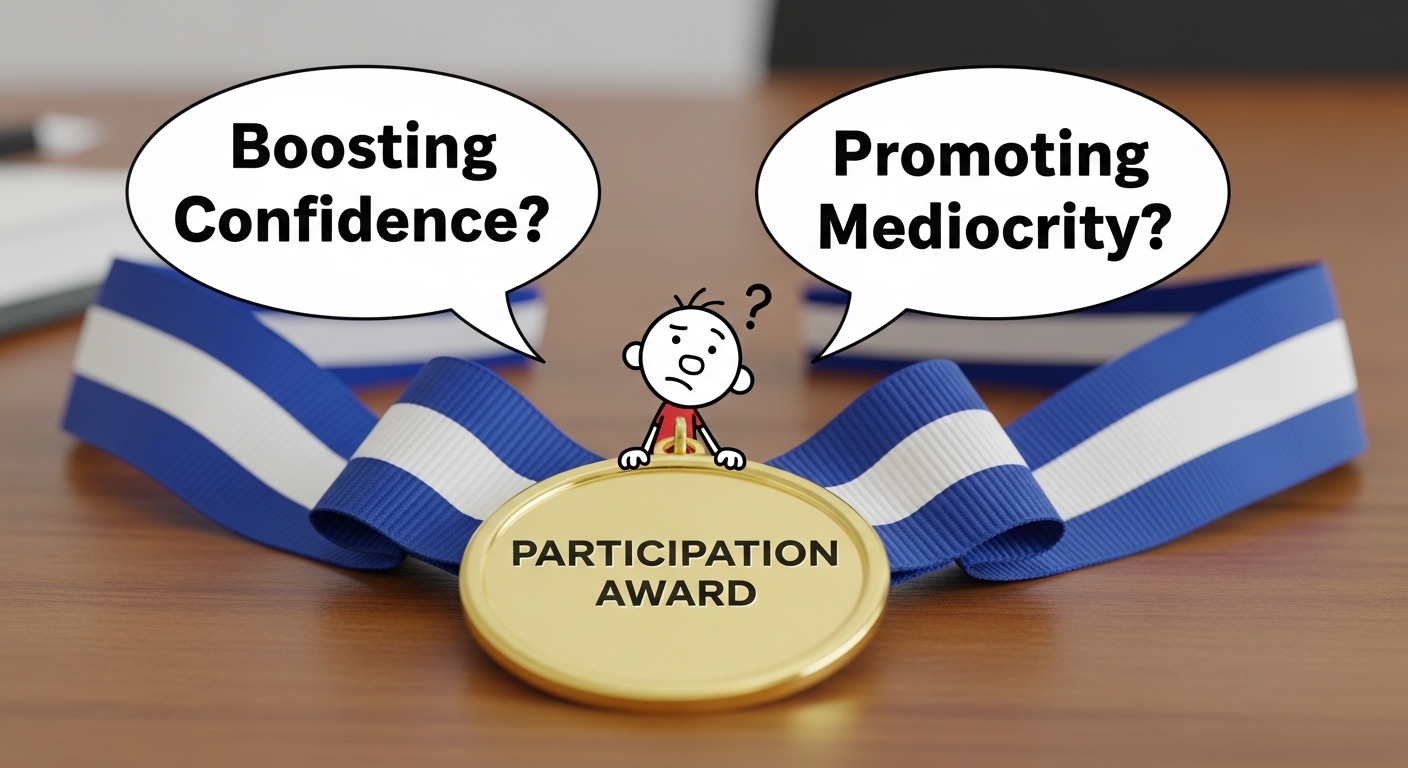
Participation awards have stirred up quite the debate in recent years. These tokens of acknowledgment are often handed out in various activities, from sports to school events, aiming to celebrate every child’s effort. But what is the real impact of these awards? Some argue they are essential for boosting confidence and encouraging inclusivity among children. Others believe they may inadvertently promote mediocrity and dampen motivation.
Enter Doawk a term that embodies this complex conversation about participation awards. As we dive into the nuances surrounding participation award doawk, we’ll explore both sides of this contentious issue and seek alternative methods to foster confidence without compromising standards. Let’s journey through this engaging topic together!
The Impact of Participation Awards on Children
Participation awards have become a common feature in many sports and activities for children. These tokens of recognition celebrate every child’s involvement, regardless of performance. For some kids, these awards can spark joy and provide a sense of belonging. They feel recognized simply for trying, which is especially significant for younger participants who are still finding their footing.
However, the impact varies greatly among individuals. Some children may thrive on this encouragement and develop a love for competition over time. Others might view participation as sufficient without striving to improve or excel. The emotional response to these awards can also differ based on personal experiences and expectations set by parents or coaches. For many young athletes, feeling valued boosts self-esteem; yet others may question the merit behind such accolades when facing tougher challenges later on.
Arguments for Participation Awards: Boosting Confidence and Encouraging Inclusivity
Participation awards serve as a powerful tool for nurturing self-esteem in children. When kids receive recognition simply for joining an activity, they feel valued and appreciated, regardless of their skill level. These awards foster a sense of belonging. Every child wants to be part of something larger than themselves. By acknowledging participation, we send a message that everyone has a role in the group.
They also help reduce anxiety around competition. Not every child thrives under pressure, and these awards provide encouragement rather than stress. Kids can learn the joy of trying new things without fear of failure looming over them. Furthermore, participation awards promote inclusivity by celebrating diverse talents and efforts. This approach encourages teamwork and camaraderie among peers while creating an environment where all contributions matter equally. In such spaces, friendships blossom alongside personal growth.
Arguments Against Participation Awards: Promoting Mediocrity and Negatively Affecting Motivation
Critics of participation awards argue that these accolades can encourage mediocrity. When every child receives a trophy, the distinction between achievement and mere attendance blurs. This can lead to complacency. Children may start to view effort as unimportant when they know rewards are guaranteed regardless of performance. The message becomes clear: showing up is enough. This mindset could stifle the development of resilience and perseverance.
Moreover, competition plays a vital role in personal growth. It fosters ambition and drives individuals to improve their skills. Without healthy competition, kids might not learn how to handle setbacks or strive for excellence. Motivation often hinges on recognition earned through hard work. If everyone gets an award just for being there, it diminishes the value of true accomplishment in their eyes—it may even discourage them from trying harder next time.
The Perspective of Jeff Kinney, Author of Diary of a Wimpy Kid Series
Jeff Kinney, the beloved author of the “Diary of a Wimpy Kid” series, has shared insights on participation awards that resonate with many parents and educators. He emphasizes the importance of balancing recognition with accountability. Kinney understands children’s need for encouragement. However, he believes that rewards should reflect effort and achievement. In his view, recognizing hard work fosters resilience and prepares kids for real-world challenges.
He also points out how over-praising can lead to entitlement rather than motivation. Children thrive when they feel their efforts are acknowledged but not handed out indiscriminately. Through his characters‘ experiences in school and sports, Kinney illustrates valuable lessons about perseverance and personal growth. His perspective encourages discussions about what truly benefits children as they navigate success and failure alike.
Alternative Ways to Boost Confidence and Encourage Inclusivity in Children
Encouraging confidence in children can take many forms beyond participation awards. One effective method is through skill-based recognition. Celebrate their unique talents, whether it’s in sports, art, or academics. This fosters a sense of achievement that resonates deeply. Group activities also play a crucial role. Team-building exercises help children learn the value of collaboration and support one another’s strengths. These experiences create bonds that are far more meaningful than mere trophies.
Mentorship programs offer another pathway. Pairing kids with older peers can ignite inspiration and provide relatable guidance as they navigate challenges.
Creating an inclusive environment where every voice matters cultivates self-worth. Encouraging open discussions lets children express themselves freely while learning to appreciate diverse perspectives within their group dynamic. These approaches not only build confidence but also foster a culture of respect and inclusivity among peers.
Conclusion
Participation awards, like those represented by the term “doawk,” spark diverse opinions. On one hand, they aim to foster a sense of belonging and increase self-esteem in children. On the other hand, critics argue that these awards can lessen motivation and diminish the value of genuine achievement.
The reality is more nuanced than a simple pro-or-con stance. Many parents and educators seek ways to encourage kids without compromising their drive for excellence. By focusing on personal growth and unique accomplishments rather than just participation, we can strike a balance between inclusivity and high standards.
As society continues to evolve in its approach to child development, finding innovative methods that inspire confidence while maintaining healthy competition will remain essential. Whether through tailored recognition or alternative incentives, nurturing our children’s potential remains at the forefront of parenting and education discussions today.






Post Comment